
Staying dry while cycling in the rain is not only about keeping rain out. You also need to prevent heat and sweat from building up inside your rainwear. The right solution depends on how hard you cycle, the temperature, and how much ventilation your rainwear provides.
If you regularly arrive at work feeling sweaty despite wearing waterproof clothing, the problem may not be that your rainwear is failing. You may simply be wearing too many layers, cycling at a high intensity, or using rainwear that does not provide enough airflow.
Why do you sweat when cycling in waterproof clothing?
Cycling generates body heat, even when the weather is cold and rainy.
When you add a waterproof outer layer, you create another barrier between your body and the outside air. If there is not enough ventilation, heat and moisture can build up inside the garment.
This creates a common commuter problem:
You are protected from the rain, but you still arrive wet.
The difference is that this moisture comes from your body rather than from the rain.
Does waterproof clothing make you sweat more?
It can.
Waterproof clothing is designed to reduce water entering from outside, but waterproofness and breathability are different properties. A garment can provide strong rain protection while still feeling warm if there is insufficient airflow for your activity level.
This is particularly noticeable when cycling because you are actively producing heat.
The harder and faster you ride, the more important ventilation can become.
How can you avoid sweating while cycling in the rain?
The simplest approach is to combine suitable rainwear with fewer unnecessary layers and a realistic cycling pace.
Try to:
- Wear only the layers you actually need
- Choose rainwear that allows suitable airflow
- Avoid overdressing before you start cycling
- Consider how hard you normally ride
- Remove your rainwear when you no longer need it
- Choose rainwear based on your typical commute rather than the worst possible weather
You do not need to eliminate all sweating. The goal is to avoid becoming excessively hot and uncomfortable during the journey.
Is a cycling poncho better for ventilation?
A cycling poncho can provide more space around the upper body than a close fitting waterproof jacket.
This open construction can allow more airflow around your body, depending on the design and weather conditions. That can make a poncho an interesting option for commuters who find traditional waterproof jackets too warm.
However, ventilation is not the only consideration.
A poncho has more exposed fabric and can be more affected by wind, particularly on exposed routes. A fitted jacket may therefore make more sense for high speed cycling or strong winds.
The important thing is to consider the trade offs rather than assuming that one type of rainwear is automatically better for every cyclist.
What should you wear underneath waterproof cycling gear?
The clothing underneath your rainwear should depend on the temperature and your cycling intensity.
If it is mild outside, you may need surprisingly little underneath your waterproof layer.
If it is cold, an additional insulating layer can make sense. But adding several thick layers simply because it is raining can leave you overheated once you start moving.
A useful rule is to think about how warm you will feel after five or ten minutes of cycling, rather than how cold you feel while standing outside your front door.
Does cycling speed affect how much you sweat?
Yes.
Cycling faster or riding with greater effort generates more body heat. A commuter travelling at a relaxed pace through the city may therefore have very different ventilation requirements from someone cycling hard for the entire journey.
This is one reason there is no single most breathable setup for every cyclist.
Your rainwear needs to match your actual riding style.
If you regularly cycle at a high intensity, ventilation becomes more important. If your commute is relaxed, you may have more flexibility.
Is a rain jacket or poncho better if you sweat easily?
Both can work, but they provide ventilation differently.
A fitted rain jacket sits close to the body and can provide a controlled fit. Some jackets also include ventilation features.
A cycling poncho has a naturally more open shape, which can allow air to circulate around the upper body.
For everyday urban commuting, this can be useful if your main problem is feeling hot inside traditional waterproof clothing.
However, wind and speed should still be considered. A jacket may be more suitable for faster riding or strong exposed winds.
Should you wear fewer layers when cycling in the rain?
Often, yes.
Rain does not necessarily mean you need more clothing. Your waterproof outer layer protects you from the rain, while the clothing underneath should provide the warmth you actually need.
If you find yourself sweating heavily during your commute, try reducing unnecessary layers before changing your entire rainwear setup.
This is especially relevant during transitional seasons when temperatures can feel cold before you start cycling but comfortable once you are moving.
How do you stay dry without overheating in cold rain?
Cold rain creates a slightly different challenge because you need to protect yourself from both water and low temperatures.
The solution is to separate the two problems.
Your outer layer should provide rain protection. Your layers underneath should provide warmth.
This makes it easier to adjust your clothing when conditions change.
For example, you may need an insulating layer on a cold morning but not later in the day if the temperature rises.
Why is ventilation important for bike commuting?
A bike commute can involve continuous physical activity for anywhere from a few minutes to an hour or more.
Even if the air temperature is low, your body can become warm while cycling.
Good ventilation can therefore make rainwear more comfortable during everyday use.
This is particularly important for commuters who do not want to change clothes after arriving at work.
If you arrive dry from the rain but your shirt is soaked with sweat, the rainwear has only solved half the problem.
Can you stay completely dry while cycling?
Not necessarily.
There are two different sources of moisture to consider:
External moisture: rain, road spray and puddles.
Internal moisture: sweat and heat produced by your body.
Good rainwear can reduce external moisture, but your body will still generate heat and moisture while cycling.
The practical goal is therefore to find a balance between waterproof protection and ventilation.
This is one reason why rainwear designed specifically for cycling can be useful. It considers the fact that the wearer is moving rather than simply standing in the rain.
What features can help with ventilation?
When comparing cycling rainwear, look beyond the waterproof rating.
Useful things to consider include:
- Overall garment construction
- Amount of open space around the body
- Ventilation features
- Fit
- Cycling position
- Weight of the material
- How intensely you normally cycle
A cycling poncho naturally has more space around the torso than a fitted jacket, while a jacket can provide a more controlled fit.
Neither design automatically solves the problem. The conditions and the cyclist matter.
How NoRain approaches ventilation
NoRain Copenhagen develops rainwear specifically for cyclists and everyday commuters.
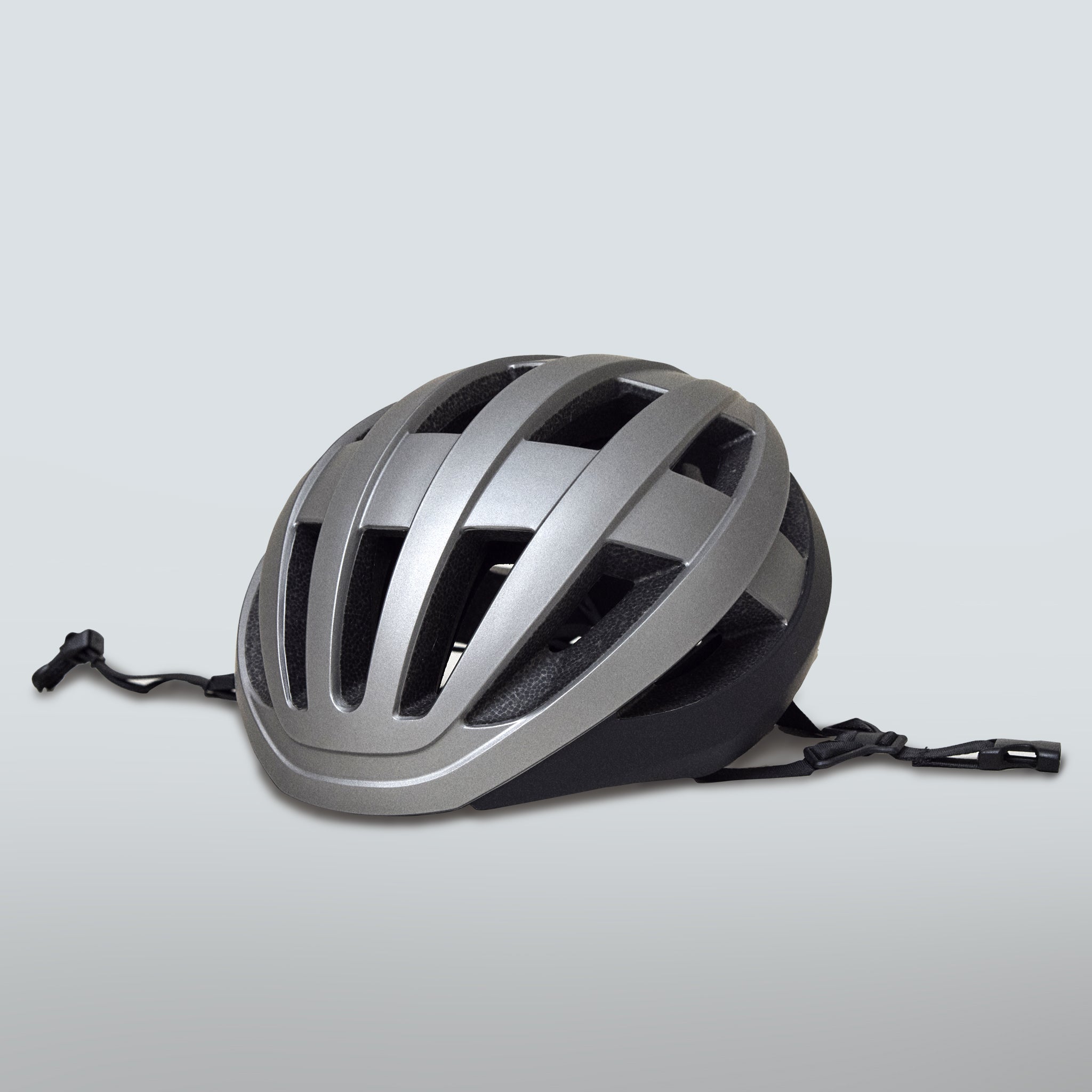
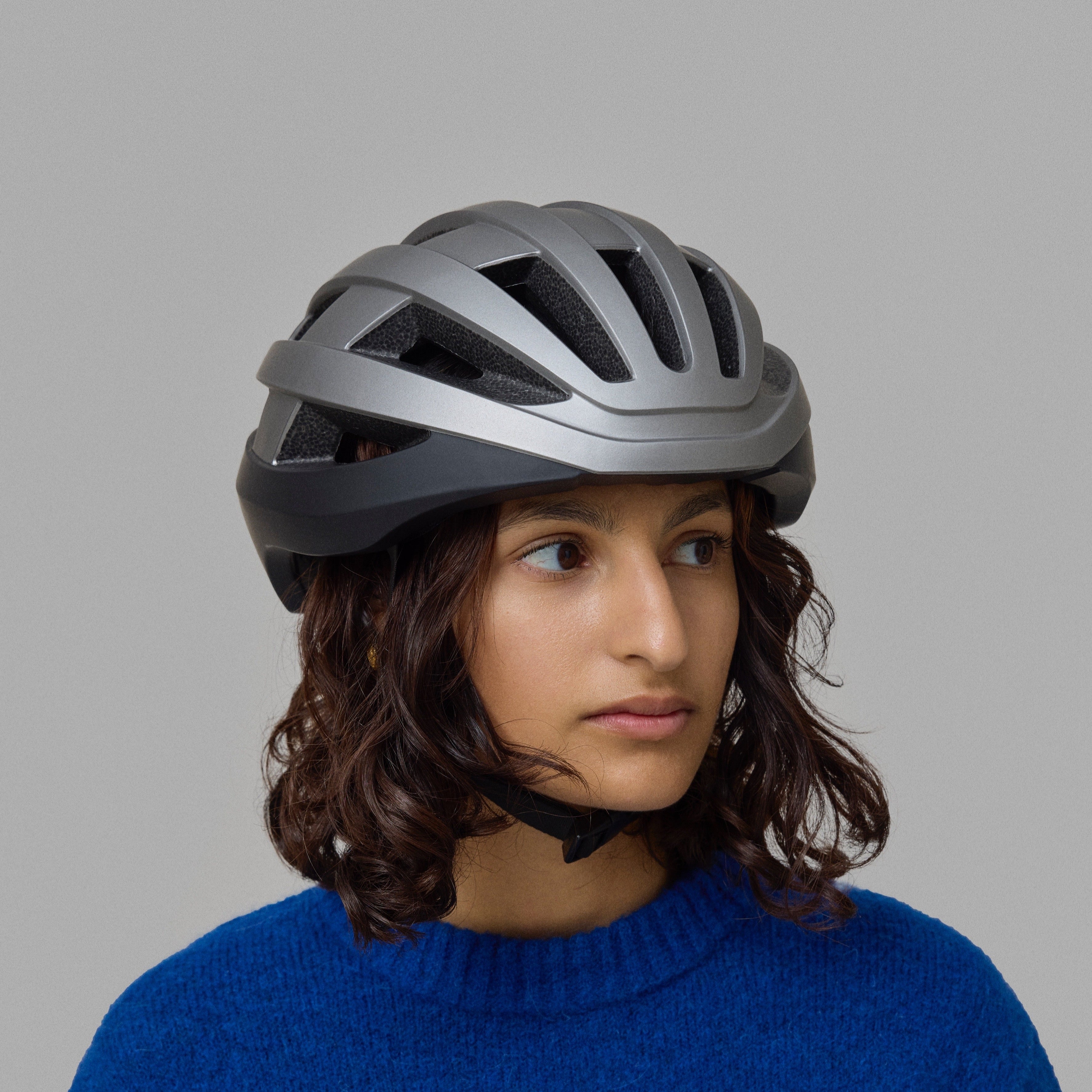
Its cycling poncho uses a cycling specific cut rather than a standard walking poncho. The design also includes features such as hand loops, a waist belt and a helmet compatible hood.
The wider design principle is that rainwear needs to work with the cyclist's movement and position, not simply provide waterproof material.
How can you tell if your rainwear is too warm?
Your rainwear may be too warm for your commute if you regularly notice that:
- You start sweating shortly after leaving home
- Your base layer becomes damp
- You feel much warmer inside your rainwear than expected
- You need to remove layers during the journey
- You arrive at work wet despite being protected from the rain
Before replacing your rainwear, consider whether your clothing underneath is contributing to the problem.
Your cycling intensity and the outside temperature also matter.
What is the best rainwear if you sweat easily?
There is no universal answer.
If ventilation is your main concern, a cycling poncho can be worth considering because its open design can provide more airflow around the upper body.
If you regularly cycle fast, ride in strong wind or prefer a close fitting garment, a waterproof cycling jacket may suit you better.
The important thing is to consider ventilation, waterproofness, speed and weather together.
For most everyday commuters, the goal is not to find rainwear that eliminates every drop of sweat. It is to find a setup that keeps the rain out while allowing your body to release enough heat during the ride.